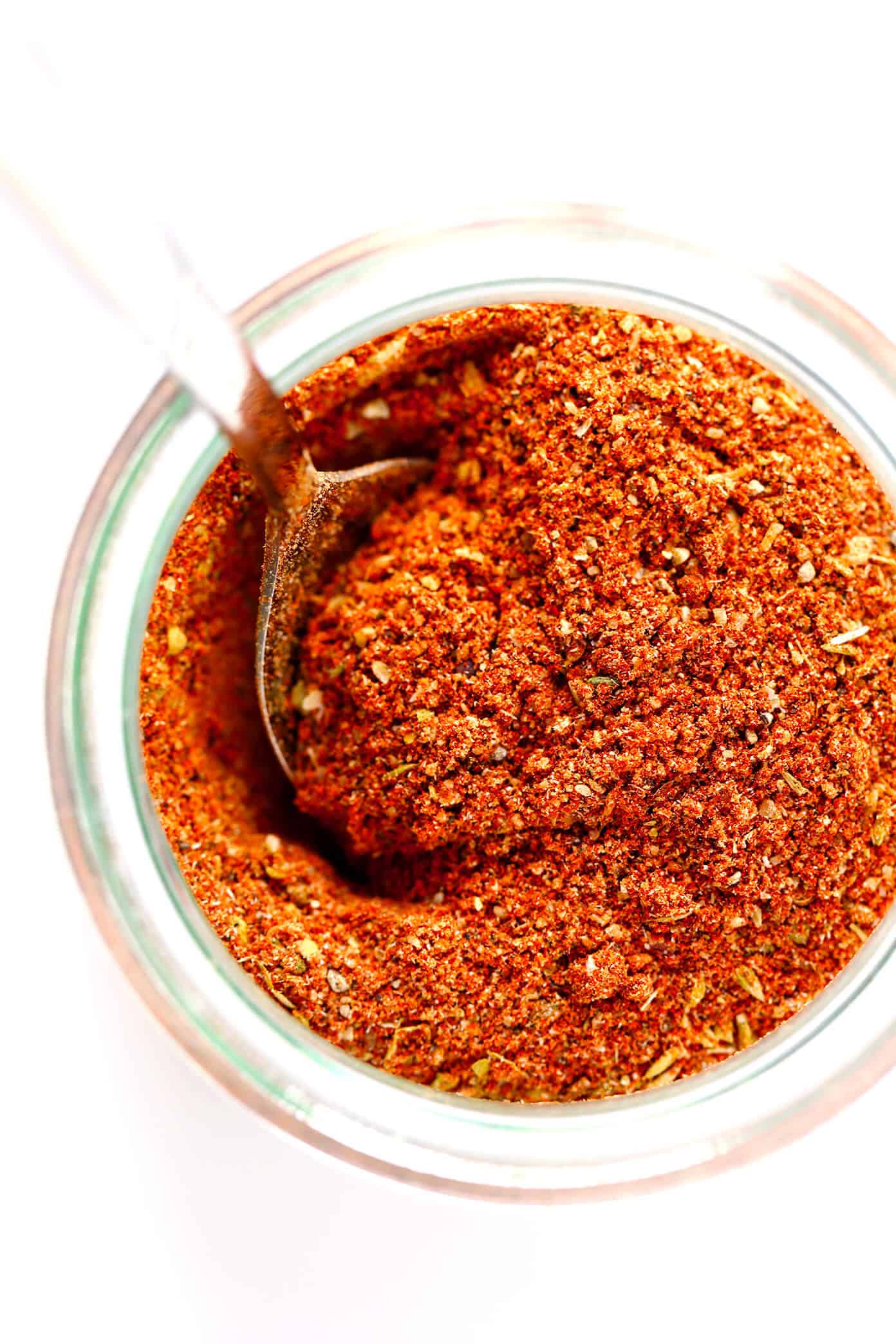
Craft Your Own Cajun Seasoning: Deeper Flavor, Customizable Heat
Walk into almost any kitchen, and you’ll likely find a jar of pre-mixed spices—a convenient shortcut for busy cooks. But when it comes to a foundational blend like cajun seasoning, relying on store-bought options can mean sacrificing a world of vibrant, authentic flavor. These commercial blends are often heavy on salt and preservatives, delivering a muted imitation of the bold, rustic taste they promise. The secret to truly transforming your dishes lies not in the grocery aisle, but in your own spice cabinet, where you can craft a homemade cajun seasoning blend that sings with unparalleled depth, perfect heat, and a richness that store-bought versions simply can't match.
Imagine a spice blend that’s not only incredibly versatile but also perfectly tailored to your palate. Making your own cajun seasoning opens the door to complete control: you dictate the heat level, balance the aromatic herbs, and eliminate unnecessary fillers. The result? A deeper, smokier, and more nuanced flavor profile that becomes an indispensable staple in your everyday cooking, making everything from weeknight chicken to a grand seafood boil taste extraordinary.
Why Homemade Cajun Seasoning Reigns Supreme
The journey from a good dish to a truly unforgettable one often hinges on the quality of its seasoning. For something as pivotal as cajun seasoning, the difference between homemade and store-bought is night and day. Here's why taking a few minutes to mix your own blend is a game-changer:
- Unrivaled Freshness and Flavor: Spices lose potency over time. By blending your own, you're starting with fresher, more vibrant ingredients, ensuring every pinch delivers maximum impact. This translates to a richer, more aromatic experience than pre-ground, shelf-stale alternatives.
- Masterful Heat Control: Do you prefer a gentle warmth or a fiery kick? With homemade cajun seasoning, you decide. Adjusting the amount of cayenne pepper allows you to perfectly calibrate the spice level to your family's preference, something impossible with a fixed store-bought blend.
- Reduced Sodium, Enhanced Taste: Many commercial spice blends are notorious for their high sodium content, used as a cheap flavor enhancer. Crafting your own allows you to significantly reduce or even omit added salt, letting the natural flavors of the spices shine through. You can then salt your dishes independently, achieving perfect balance.
- No Fillers, Pure Spices: Say goodbye to anti-caking agents, mystery ingredients, and artificial flavors. Your homemade blend will contain only pure, potent spices, offering a cleaner, more authentic taste that truly enhances your food.
This level of control and quality transforms cajun seasoning from a mere ingredient into a culinary tool that empowers you to elevate every meal. Once you experience the depth of a truly fresh, custom blend, there's no going back.
The Soul of Louisiana Cuisine: What Makes Cajun Seasoning Unique?
At its heart, cajun seasoning is a robust, rustic, and incredibly versatile spice blend deeply rooted in the rich culinary traditions of Louisiana. It's more than just a collection of spices; it's a vibrant expression of a culture known for its bold flavors and hearty, comforting dishes. When you think of the warm heat, smoky depth, and savory backbone that defines classics like gumbo, jambalaya, and perfectly blackened fish, you're tasting the power of this iconic blend. For a comprehensive dive into its history and applications, explore Cajun Seasoning 101: Master Louisiana's Bold & Versatile Blend.
Unlike some milder, more nuanced spice mixes, cajun seasoning is designed to make a statement. It relies heavily on a quartet of powerful aromatics and peppers: paprika, cayenne, garlic, and onion. This combination creates a profile that is unapologetically bold, capable of standing up to rich butter sauces, robust meats, and earthy vegetables without getting lost. It doesn't just add heat; it builds a foundation of complex flavor, aroma, and warmth that invites another bite.
Its "pepper-forward" character isn't just about spiciness; it's about layering different pepper notes. The sweetness and depth of paprika, the sharp bite of cayenne, and the pungent warmth of black pepper (often included) all contribute to a symphony of flavor that wakes up the palate and transforms simple ingredients into unforgettable weeknight favorites in a matter of minutes.
Unpacking the Flavor Profile: Key Ingredients & Their Roles
A truly great cajun seasoning recipe isn't about complexity, but about balance and intention. Each spice plays a crucial role, contributing to the blend's signature character. Understanding these components is key to customizing your own perfect mix:
- Smoked Paprika: The Backbone of Depth and Color
This is arguably the most vital ingredient in a superior cajun seasoning blend. Smoked paprika (pimentón ahumado) not only imparts that signature deep red hue but also delivers a subtle, earthy smokiness that makes dishes taste like they've been simmering for hours, even when they haven't. This differentiates homemade blends significantly from many store-bought versions that often use regular, milder paprika, resulting in a less complex flavor. Opt for a good quality Spanish smoked paprika for the best results, whether sweet (dulce) or hot (picante) depending on your preference. - Cayenne Pepper: The Customizable Heat Source
Cayenne is where the immediate kick comes from. This is your primary lever for adjusting the blend's spiciness. If you prefer a mild warmth, start with a smaller amount and taste as you go. For those who crave fiery, bold food, feel free to increase it slightly. The beauty of making your own is this exact flexibility—no more compromises on heat levels. - Garlic Powder & Onion Powder: The Savory Foundation
These two unassuming spices are the unsung heroes, forming the aromatic and savory base that ties the entire blend together. They provide a fundamental depth, ensuring the seasoning is well-rounded and deeply flavorful, rather than just hot. Their granulated forms integrate seamlessly into the dry blend, distributing flavor evenly. - Black Pepper: Pungent Warmth
Freshly ground black pepper adds another layer of warmth and a pungent counterpoint to the other spices. It contributes to the overall "pepper-forward" profile without adding overwhelming heat. - Dried Herbs (Oregano & Thyme): Aromatic Earthiness
While paprika, cayenne, garlic, and onion form the core, dried oregano and thyme are often included to contribute a rustic, herbaceous note. Oregano offers a pungent, slightly bitter Mediterranean touch, while thyme provides a more delicate, earthy, and slightly minty aroma. These herbs add complexity and a true "taste of the bayou" character. - Salt (Optional, and in Controlled Amounts):
As mentioned, many store-bought blends are salt bombs. When making your own, you have the option to include a small amount of fine sea salt, but many prefer to omit it entirely and season with salt separately when cooking. This gives you ultimate control over the final dish's sodium content.
By thoughtfully combining these elements, you create a symphony of flavors that is both complex and harmonious, perfectly suited for a myriad of culinary applications.
Cajun vs. Old Bay: A Tale of Two Blends (and Why It Matters)
It's common for home cooks to mistakenly use cajun seasoning and Old Bay seasoning interchangeably, but this often leads to vastly different and sometimes disappointing results. While both are bold, flavorful blends, their origins, primary flavor profiles, and ideal applications are distinct. Understanding these differences is crucial for culinary success. For a detailed comparison, check out Cajun vs. Old Bay: Choosing the Right Bold Seasoning.
Old Bay Seasoning is intrinsically linked to Maryland-style seafood, particularly crabs. Its flavor profile is dominated by celery salt, bay (laurel) leaf, mustard, and a collection of mild spices. This blend imparts a briny, herbal, and slightly tangy taste that pairs exceptionally well with shellfish, offering a distinct aroma that evokes coastal crab boils. However, due to its strong herbal and salty notes, Old Bay can easily overpower dishes when combined with rich ingredients like butter or oil, or when used with non-seafood items where its specific flavor might clash rather than complement.
Cajun Seasoning, on the other hand, is built for depth, warmth, and a controllable heat. Its foundation of paprika (especially smoked), cayenne pepper, garlic powder, and onion powder creates a savory, smoky, and spicy profile. This blend is designed to meld seamlessly with fats, meats, and vegetables, building a rich base flavor rather than simply flavoring the surface. While excellent with seafood (think spicy shrimp or blackened fish), its versatility extends far beyond, making it ideal for:
- Butter sauces (for pasta, shrimp, or corn)
- Grilled or roasted meats (chicken, pork, steak)
- Roasted vegetables (potatoes, bell peppers, zucchini)
- Stews, gumbos, and jambalayas
The distinction matters because using the wrong blend can fundamentally alter the intended character of your dish. If you're aiming for a bold, spicy, and deeply savory flavor that integrates beautifully with richness and stands up to various cooking methods, cajun seasoning is your clear choice.
Crafting Your Perfect Blend: Tips for Customization and Storage
One of the greatest joys of making your own cajun seasoning is the freedom to customize it. Here are some actionable tips:
- Adjusting the Heat: Start with a conservative amount of cayenne pepper (e.g., 1 teaspoon for every 1/4 cup of other spices). Mix, then taste a tiny pinch. If you desire more heat, add 1/4 teaspoon at a time until you reach your preferred level. Remember, you can always add more, but you can't take it away!
- Enhancing Smokiness: If you love a deeper, more pronounced smoky flavor, consider slightly increasing the amount of smoked paprika. You can also experiment with a tiny pinch of chipotle powder for a different kind of smoky heat.
- Herbal Touches: Feel free to adjust the ratios of dried oregano and thyme based on your preference. Some might enjoy a more pronounced herbal note, while others prefer the spices to dominate. You can also experiment with a pinch of dried basil or sage for a unique twist.
- Salt Content: If you choose to include salt in your blend, use fine sea salt as it dissolves easily. A good starting point might be 1-2 teaspoons per 1/2 cup of seasoning, but always remember you can add more salt to the dish itself.
- Storage: Store your homemade cajun seasoning in an airtight container (like a glass jar) in a cool, dark place, away from direct sunlight and heat. This preserves the potency and freshness of the spices. While it won't "go bad" quickly, for optimal flavor, try to use it within 3-6 months. Making smaller batches ensures peak freshness.
Embracing the art of making your own cajun seasoning is a transformative step for any home cook. It’s an easy process that yields profoundly superior results, offering unparalleled depth of flavor, complete customization, and the satisfaction of knowing exactly what goes into your food. From enhancing simple weeknight meals to anchoring elaborate festive spreads, this homemade blend will quickly become your culinary secret weapon. Dive in, experiment, and discover the true, vibrant taste of Louisiana right in your own kitchen.
